Join Robots and Avatars at KIBLA from anywhere in the world!
11 years ago
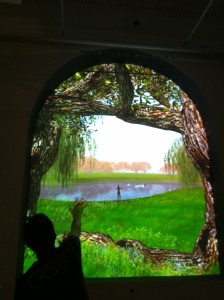 Robots and Avatars opened successfully at KIBLA (Maribor, Slovenia) Friday 5th October, and you can now join the Exhibition from a distance using different
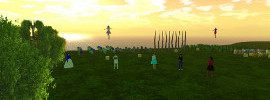
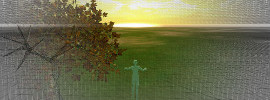
- Create, customize and fly your avatar in ‘Visions of Our Communal Dreams’ mesmerizing virtual world. Visitors at KIBLA will be able to see your avatar flying on the screens in the Gallery, which are windows onto this virtual world. Just follow these instructions: VOCD_virtual-participation-guide_v1.0_web copy
- You can also instil life into the virtual forest for all to see by tweeting bird, butterfly or flower to @voocd your bird, butterfly or flower will stay in the world for 2 minutes!
- Use the telepresence robot NAVI to explore the Exhibition! Just Add magabot2 to your Skype contacts
- Join and collaborate to the selected webprojects online, experience Naked on Pluto anticipation scenario, add your emotion to the Electronic Man and create you bot with rep.licants
- Give us your feedback on Facebook and Twitter!
Robots and Avatars is going to KIBLA – Slovenia!
11 years ago
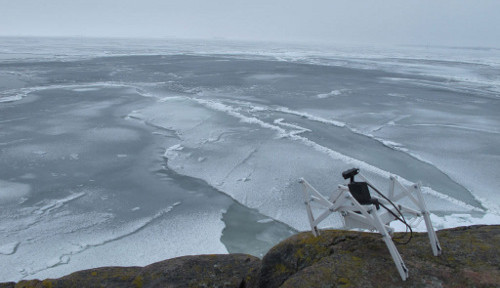 The exhibition presents a variety of immersive experiences – from unconventional approaches to social networks, re-defining and exploring their influences and dead ends, through virtual worlds rendered into pixels through the act of touch, collaborative landscapes stretching beyond the confines of popular gaming, to electro-acoustic biological extensions, wearable technologies and interactive robotic elements that affect and try to define us, to seemingly ordinary, human behavior imitating robots.
Alongside the presented artworks,the Exhibition will include a series of workshops run by Artists, events and debates.
Exhibiting artists and works:
Louis Philippe Demers/Processing Plant (CA, DE): The Blind Robot; Ruairi Glynn / Motive Colloquies (UK): Sociable Asymmetry; Michael Takeo Magruder, Drew Baker, Erik Fleming, David Steele (UK): Visions of Our Communal Dreams; Niki Passath (AT): ZOE; Mey Lean Kronemann (DE): lumiBots; Sašo Sedlaek (SI): Beggar 1.0; Andre Almeida, Gonçalo Lopes, Francisco Dias, Guilherme Martins (PT): NAVI; Marco Donnarumma (UK): Music for flesh II; Martin Bricelj Baraga, Slavko Glamoanin / MoTA (SI): Public avatar, Martin Bricelj Baraga (SI): RoboVox; Aymeric Mansoux, Dave Griffiths, Marloes de Valk (FR, UK, NL): Naked on Pluto; Salvatore Iaconesi, Oriana Persico / Art is Open Source (IT): The Electronic Man; Matthieu Cherubini (CH): rep.licants.org; Martin Hans Schmitt (DE): Robot world
Opening performance
Marco Donnarumma (UK): Music for flesh II
Read more here.
“Collectively Engaged” : first outputs and perspectives
11 years ago
 Here are the first outputs and perspectives of our two Days of Forums dedicated to digital co-productions and content development in the UK, exploring digital innovation and creation through collaboration and knowledge sharing in the EU:
- Wednesday 19th September, 2012 – Day 1
“Collectively Engaged – Digital Collaborations across the EU“ - Thursday 20th September, 2012 – Day 2
“Collectively Engaged – Digital Content Development in the UK“
Keynotes speakers and moderators included Ruth Mackenzie (Director, Cultural Olympiad), Frank Boyd (Director, Creative Industries, KTN) and Ghislaine Boddington (Creative Director body>data>space) alongside a set of key funders, artists, digital content creators, innovators, strategists and producers.
In-depth and high quality discussions emerged from the audience and panel members around a set of key topical areas:
- ‘VALUE versus VALUES’ came very strongly through during these 2 days as an area of questioning and thinking. Can creators and artists maintain ethical value and integrity as well as being recognized as creating socio-economic values in society and engaging with the commercial world? In effect how do artists go about seeking models that can insert their core values and beliefs into the commercial world with adequate remuneration?
- The issue of “language of understanding” between arts / culture and creative / technology business sectors was explored: If artists and creatives want to use commercial money then we need to acknowledge language differences, in effect combating the siloed nature of professional and disciplinary language that affect groups trying to work together across working cultures and areas of expertise.
- Developing new sustainable business models for creativity and innovation, preserving the diversity of this mixed ecosystem. “If art inspires the commercial world”, are we happy as artists to do just that, with the implication that there is no financial reward for our work, or do we have to build bridges into to the commercial world? How do we build bridges to the few islands of opportunity left in these commercially challenging times?
- The issue of content provision, the status and the needs of the artists and true creative development within the “creative industries” galaxy. Artists have to contract and mutate their vision to become technically achievable but how as artists do we do that without complying to purely commercial values.
Key challenges :
The seminar also involved Break out groups on Value vs. Values, new business models and public as creator and inter-culturalism.
Concern was also raised over the value derived by participants of so called ‘hack days’ / labs / workshops – including what professional and creative values are derived from them? What content is created by them? And more pressingly, as much fun as they are, how do people pay the rent by contributing their time and energy to an event with little or no return.
A report of this Forum will be available and widely distributed by the beginning of October, featuring key content, quotes, references and audio-visual inputs.
In the meantime, follow the intense Twitter stream of these past 2 days on: #collectivelyengaged
Curated by body>data>space on the invitation of Europe House with the support of Knowledge Transfer Network – Creative Industries
The Robots & Avatars – UK Selection Showcase is on until 28th September at Europe House.
‘Robots and Avatars – UK Selection’ is coming to London!
11 years ago
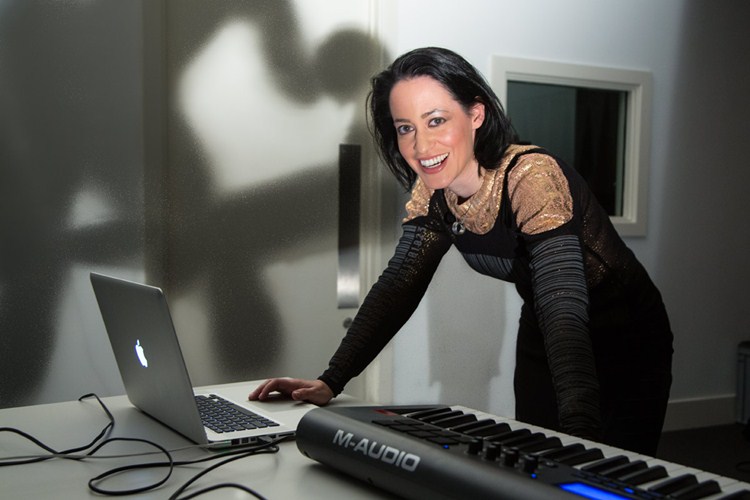
Produced and curated by body>data>space, Robots and Avatars – UK Selection will showcase a series of innovative digital artworks, as some of the most cutting edge examples of digital creativy from the UK t oday, in the field of virtual environments, telepresence, robotics and body technologies. The presented artworks are in part from a selection linked to our current projects MADE and Robots & Avatars.
The Showcase will present the commissions from body>data>space recent work with: Joseph Hyde “me and my shadow”, Michael Takeo Magruder “Visions of our Communal Dreams” and Atmos “Outreach”, alongside other UK-based creators.
CHECK THE PICTURES FROM THE LAUNCH HERE.
Read more here
Next step for Robots & Avatars
11 years ago
The Robots & Avatars Exhi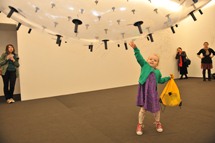 bition came to a close at the end of May at FACT, Liverpool after 10 weeks, with nearly 20.000 people visiting the Exhibition and exciting international press and TV coverage. Have a look to the TV episode that BBC Click dedicated at the Exhibition here.
Did you have a chance to play and draw with ADA, share your thoughts with Robovox, create holographic hand-ballet movement in Base8 or show off with meyouandus? Please share your stories and pictures with us and follow us via Robots and Avatars Twitter and Facebook.
Robots and Avatars showcases the most exciting visions and innovations from international artists, designers and architects, exploring their impact on the future of work and play. The Exhibition will be presented in London, at Europe House from 19th to 28th September 2012, so get ready for more cutting edge interaction blurring the boundaries between physical and virtual worlds!
It will tour onwards to KIBLA (Slovenia) and AltArt, Cluj-Napoca (Romania) in 2012.
Are humans ready to become digital? BBC Click feature on Robots & Avatars
11 years ago
by marie
in Robots and Avatars
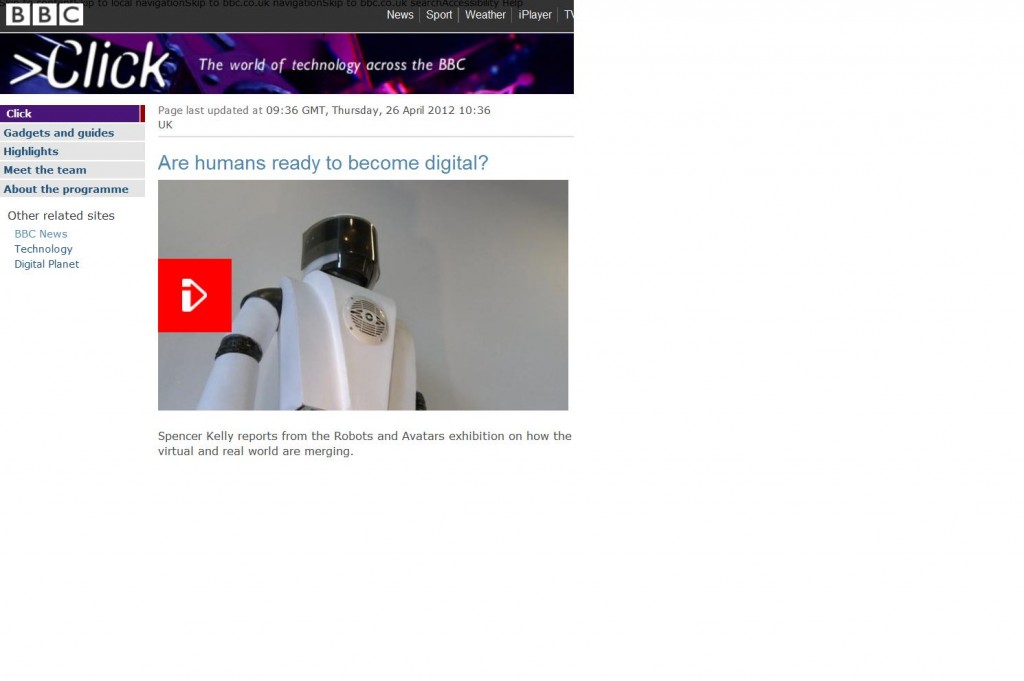
“Technology is bringing the virtual and real world closer together.
The Robots and Avatars exhibition explores how people will work and play with new representational forms of themselves and others in virtual and physical life in the next 10 to 15 years.
Spencer Kelly went to the exhibition to get a vision of the future.”
See the full programme on BBC CLICK website
Teleport yourself in Visions of Our Communal Dreams!
12 years ago
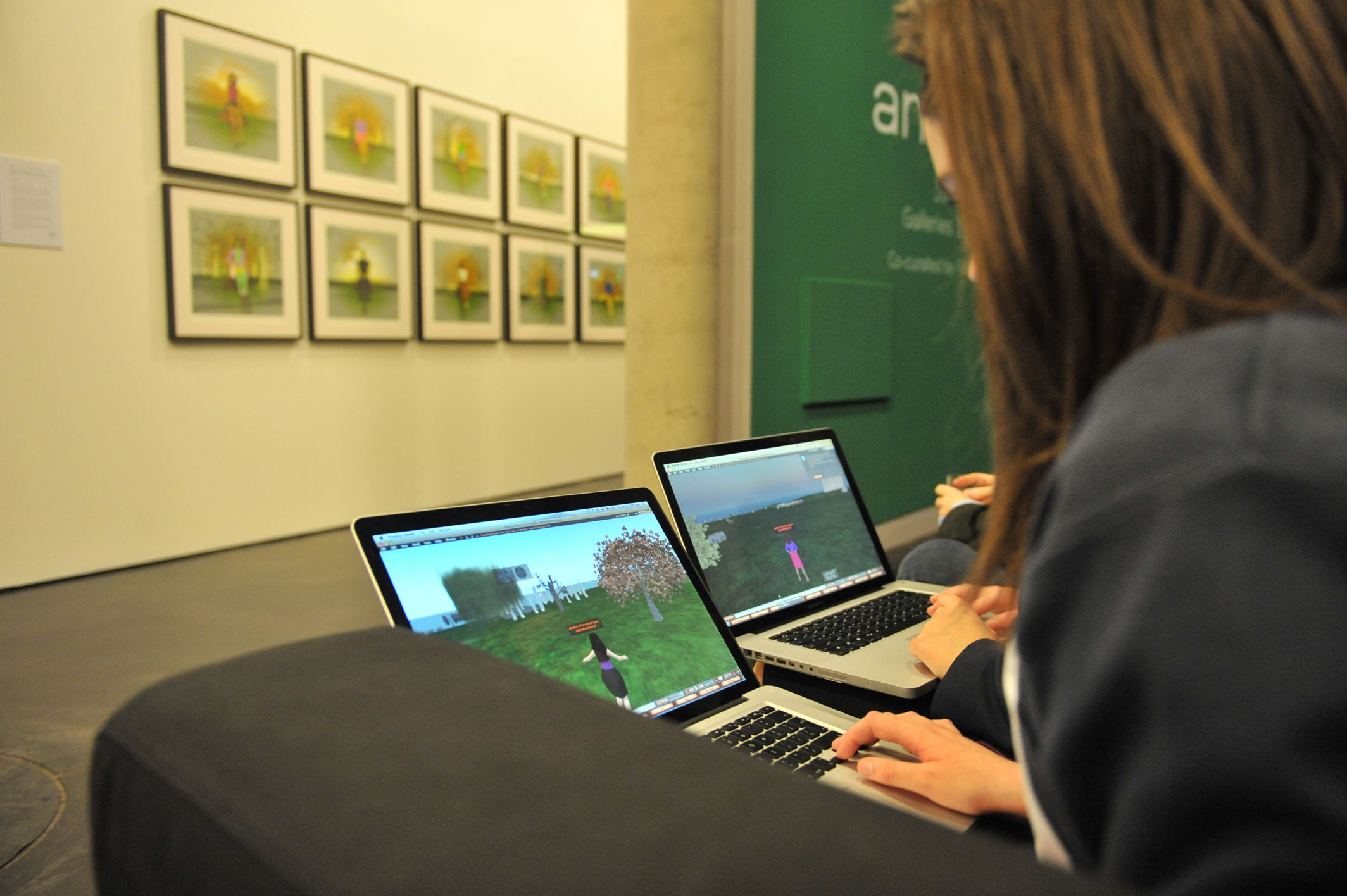 Visions of Our Communal Dreams is a beautiful new media art installation blending virtual, physical and networked environments that explores issues of hybridity, embodiment and collective creativity in the Digital Age.
You can now join Visions of our Communal Dreams online, interact and play with other avatars, by following these instructionsVOCD_virtual-participation-guide_v1.0_web copy
Robots & Avatars on BBC Click this week end
12 years ago
W e are very happy to announce that Robots and Avatars Exhibition and a special interview with Ghislaine Boddington on Telepresence will be broadcast THIS WEEKEND 21st / 22nd April on BBC Click.
The programme will air at 11.30 Sat and Sun on BBC News Channel and at several other time during these days. Also a shorter version will be shown on the early morning BBC Breakfast show.
BBC NEWS CHANNEL (UK): Saturday 0130, 1130, 1530 and 2030, Sunday 0430, 0745, 1130, 1530 and 2030 and Monday 0030
BBC WORLD NEWS: Saturday 0830 and 1630 and Sunday 0430 and 1330 GMT
Please see here for full timings of the programme and how you can watch this weekend!
Robots and Avatars Exhibition in the Media
12 years ago
We’re very pleased with the onward P ress Coverage of the Robots and Avatars Exhibition at FACT in the media and we would like to share some juicy bits with you!
“It’s art that’s interactive and immersive.” The Guardian
“Blurring the lines between reality and the virtual world, the exhibit examines our reliance on technology and our willingness to hand machines increasing degrees of control.” Dazed.com
“A show revealing some of the ways robots and on-screen avatars could change our lives, as the borders between our physical and virtual lives begin to blur.” The New Scientist
“While the creations featured in Robots and Avatars seem straight out of science fiction (…) they could be only a short step away.” The Guardian
“ambitious, thought-provoking, and challenging exhibition.” The DoubleNegative
“The exhibition tackles the overlap between the virtual and the real worlds.” Wired
If these bits arouse your curiosity follow this link to read more!
Image courtesy of Martin Bricelj
Robots and Avatars opens at FACT!
12 years ago
by marie
in Robots and Avatars
The Robots and Avatars Exhibition at FACT is officially open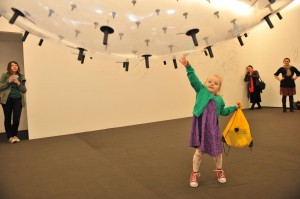 . And open it is for everyone: young and old, technology expert and art lover, shy and enthusiastic. The public has taken over the galleries and made this Exhibition truly their own by becoming part of it, interacting and playing with it.
It was a great experience for the body>data >space team to see the audience in action. They bounced with ADA, lost control in Compass, flew around in Visions of Our Communal Dreams, performed some impressive hand ballet within Base8, went wacky in front of the screen-mirrors of MeYouAndUs, had their voices heard through RoboVox and seized control of a flesh and blood avatar!
The opening days started with the Press Preview and Curatorial Tour led by Ghislaine Boddington, Creative Director of body>data>space and FACT’s director, Mike Stubbs. In the evening, the visitors (almost 400 of them) took over the Exhibition. The opening speeches by Ghislaine Boddington and Mike Stubbs introduced the extensive topics addressed by the Robots and Avatars project and exhibitions and the public got a glimpse into Noel Sharkey’s (Robots and Avatars champion) visionary theory on robotics in tomorrow’s society.
Many of the artists were present at the evening of the Opening and the ‘Meet the Artist’ discussion the next day. ADA’s ‘mother’, Karina Smigla-Bobinski; the creators of MeYouAndUs, Alastair Eilbeck and James Bailey; the builder of Visions of Our Communal Dreams, Michael Takeo Magruder and Martin Bricelj, Public Avatar and inventor of RoboVox all participated – together with Ghislaine Boddington, Noel Sharkey and the public – in the debate led by Mike Stubbs.
A big thanks goes to the FACT team for making this exhibition possible and our EU project partners from KIBLA (Slovenia), Altart (Romania), and National Theatre (UK) for joining us on this very special day.
We had a lovely time in Liverpool and we very much hope new visitors will become intrigued by the pieces and start thinking about the increasing overlap of the virtual and physical world and their place in it.
Robots and Avatars is on until the end of May, so follow the latest news of the Exhibition on Facebook, Twitter. Read more about the Opening Night in Steve Boxer’s report.
Picture credit: Karina Smigla-Bobinski. ADA, 2010. Co-produced and presented by body>data>space and FACT in Robots and Avatars Exhibition, 2012. Installation view at FACT. Photographer: Brian Slater